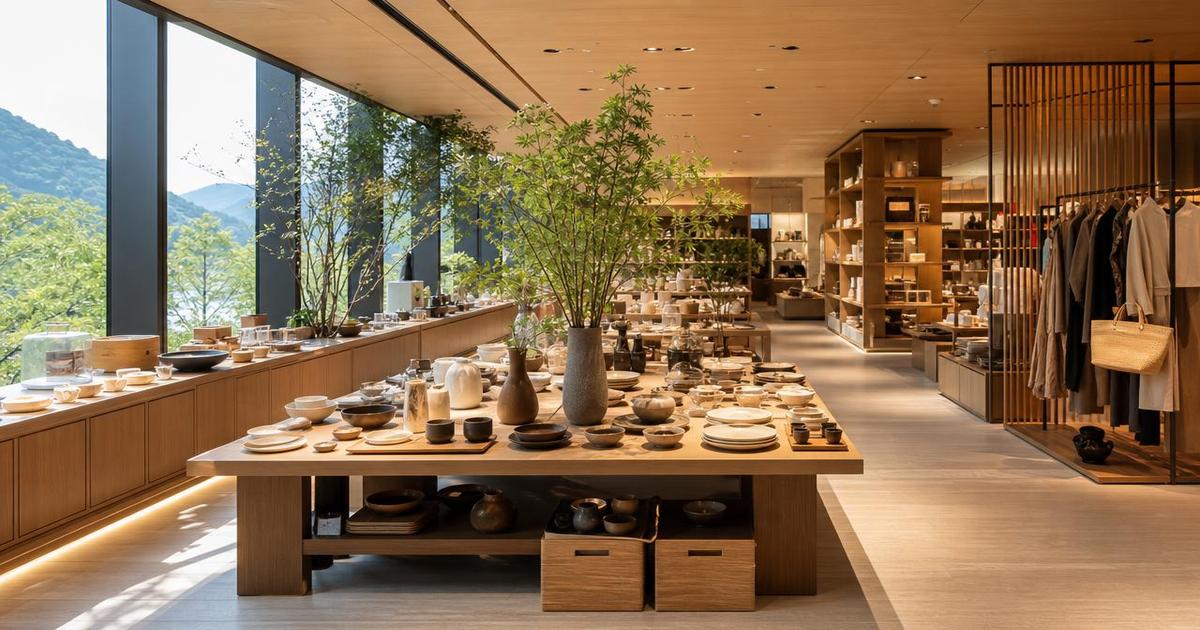
A Different Way to Shop
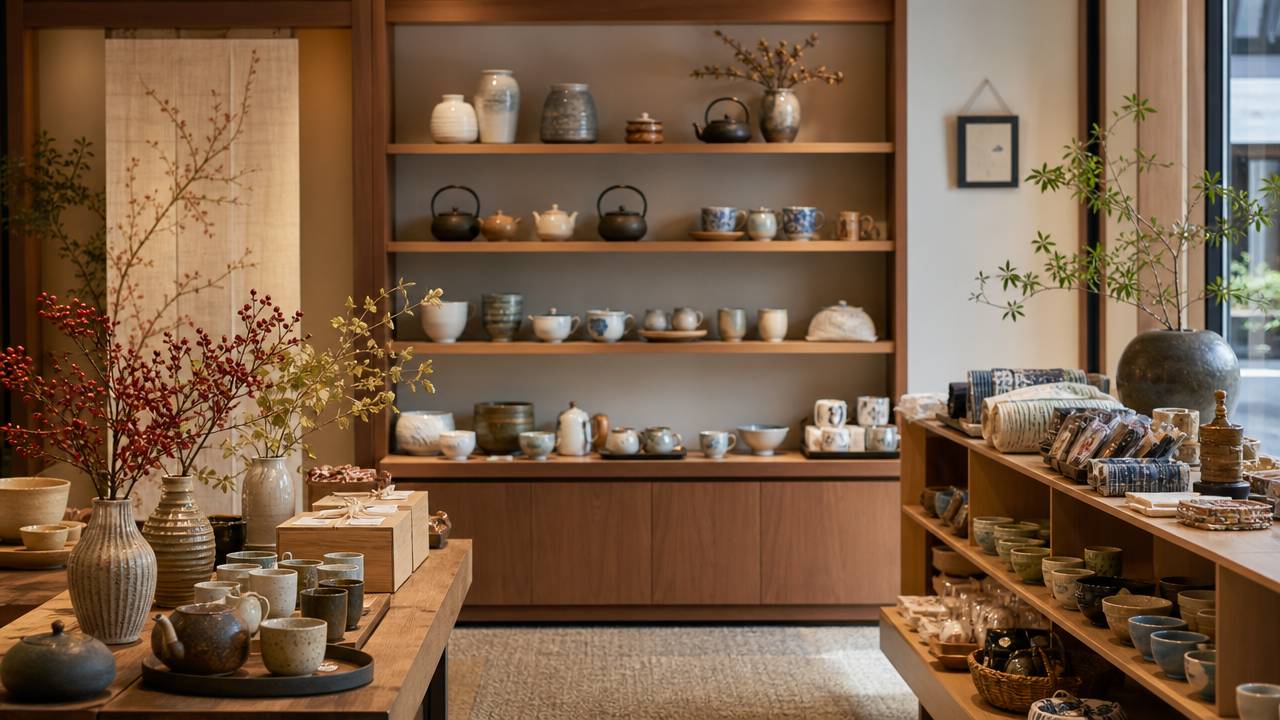
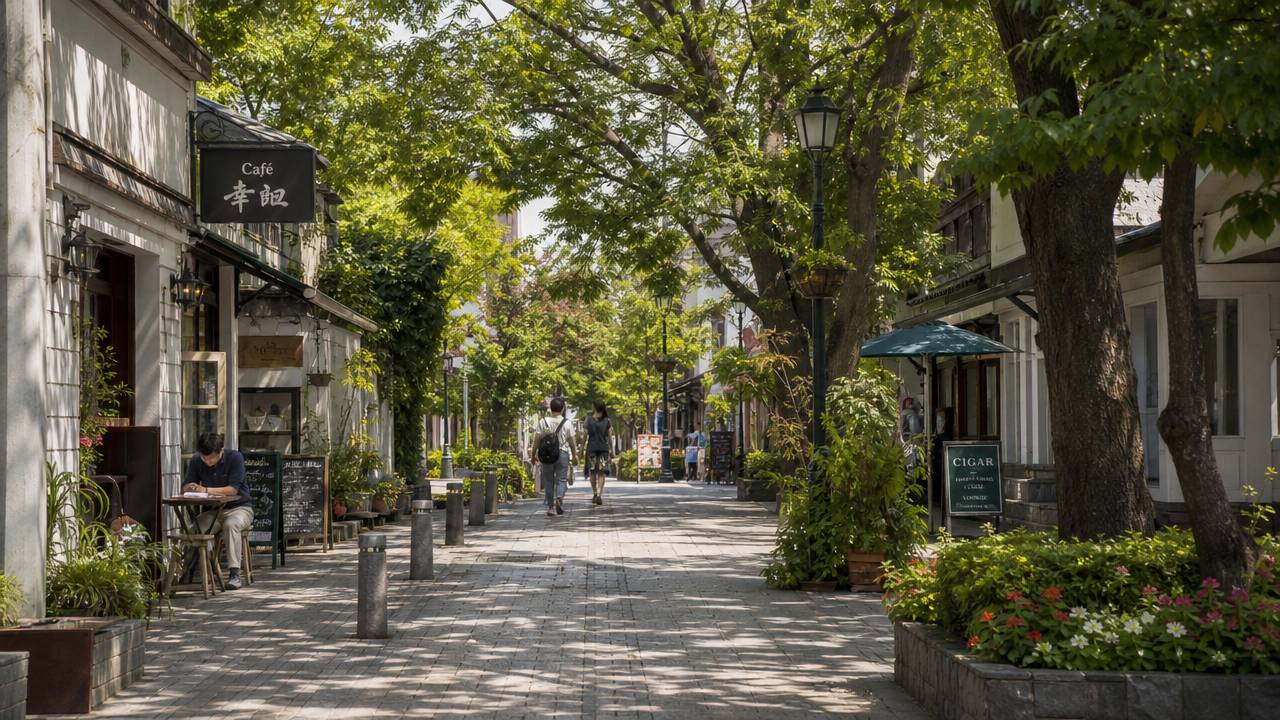
One of the quiet joys of traveling through Japan is wandering without a plan. You step into a neighborhood café for a quick coffee, discover a small ceramics shop tucked between two quiet streets, and leave with a handmade bowl you never intended to buy. By the afternoon, you're comparing stationery in Ginza, tasting regional sweets inside a department store food hall, and wondering how you'll fit everything into your suitcase.
Shopping has always been woven naturally into a holiday here. It isn't only about luxury brands or electronics. It's about finding something that reminds you of a place, a season, or even a single afternoon spent exploring somewhere new.
That familiar experience will continue in 2026, but the way international visitors receive their tax refund is changing. Beginning November 1, 2026, Japan will replace its long-standing in-store tax exemption system with a
new airport-based refund process.
The update may sound significant, but it doesn't mean tax-free shopping is disappearing. Instead, travelers will simply experience the refund at a different stage of their journey.
Quick Snapshot
Before November 2026
Tax-free discount applied immediately at participating stores
Less paperwork after shopping
Lower amount paid at checkout
Airport mainly checked purchases
From November 2026
Visitors pay the full purchase price, including consumption tax
Refund requested before leaving Japan
Higher upfront payment, later reimbursement
Airport also becomes part of the refund process
The Last Time You'll Shop the Old Way
For many travelers, tax-free shopping has been almost effortless.
After showing a passport at the register, the consumption tax simply disappeared from the total. A purchase that might have cost ¥22,000 instantly became ¥20,000, and the experience continued without much thought.
It became part of the rhythm of shopping in Japan. Browse. Compare. Pay. Continue exploring.
That rhythm is about to change.
From late 2026 onward, purchases will look much more like they do in many other countries. Visitors will pay the listed price first, then complete the refund process before departing Japan.
For travelers, the biggest adjustment isn't paperwork. It's mindset. Rather than thinking of the tax exemption as an immediate discount, it becomes something you'll recover at the end of your holiday.
Why Japan Is Changing the System
The new process is designed to modernize how tax-free shopping works while strengthening oversight across thousands of participating retailers.
Japan has welcomed record numbers of international visitors in recent years, and with that growth has come an equally dramatic increase in
tax-free purchases. Luxury fashion, cosmetics, electronics, skincare, kitchen knives, stationery, and regional specialties continue to attract shoppers from around the world.
Managing millions of transactions across countless stores has become increasingly complex.
By moving refunds closer to a traveler's departure, authorities hope to simplify verification, reduce fraudulent claims, and create a more consistent process regardless of where purchases are made.
For visitors, the shopping experience itself remains largely unchanged. You'll still browse the same department stores, independent boutiques, artisan workshops, and neighborhood markets. The difference happens after you've finished shopping rather than while you're standing at the register.
Who Will Notice the Biggest Difference?
Some travelers may hardly notice the update at all, while others will likely adjust the way they budget their trip.
Someone picking up a few boxes of snacks and a handful of souvenirs probably won't feel much impact beyond paying a little more upfront. The refund simply arrives later in the journey.
Luxury shoppers, however, may temporarily spend significantly more during their trip before receiving their refund. Designer handbags, premium watches, camera equipment, and high-end electronics often represent substantial purchases, making the timing of the refund more important than before.
Families traveling together may also want to allow a little extra flexibility in their holiday budget. Paying consumption tax upfront across multiple shopping days means carrying slightly higher expenses until departure.
Fortunately, none of these changes affect what visitors can enjoy buying. Japan's department stores, neighborhood boutiques, craft shops, and local markets remain just as rewarding to explore as ever.
A Day of Shopping in Japan in 2026
Picture your final full day in Tokyo.
The morning begins in a quiet neighborhood café before you wander through boutiques tucked beneath leafy streets, discovering handcrafted ceramics, locally roasted tea, and stationery that somehow feels too beautiful to use. By lunchtime, you're browsing the food halls of a
department store, picking up beautifully packaged sweets to bring home. Later in the afternoon, you find yourself comparing skincare products, admiring handmade leather goods, or finally buying that chef's knife you've been thinking about since the first day of your trip.
The shopping experience itself feels exactly as you imagined.
The only difference is what happens after you've checked out.
Instead of walking away having already received your tax savings, you'll continue enjoying your holiday knowing the refund will be processed before your flight home. For many travelers, it simply becomes the final step of the journey rather than part of every purchase.
It is a subtle change, but one that encourages visitors to think about their travel budget a little differently.
Planning Your Holiday Budget Around the New System
For leisure travelers, vacations are often planned months in advance. Flights, hotels, sightseeing, dining, and shopping all compete for the same budget, making it helpful to understand how this new system affects spending throughout your trip.
Rather than reducing the amount you'll ultimately save through tax-free shopping, the updated process changes when those savings become available.
If you've set aside ¥100,000 for shopping, you'll now need enough available funds to cover the full purchase price during your stay before receiving the eligible refund later. That isn't likely to affect someone buying a few souvenirs, but it may require a little extra planning for travelers hoping to purchase luxury fashion, premium electronics, or multiple high-value items.
Fortunately, this doesn't have to complicate your holiday. Many travelers already build a financial cushion into their itinerary for unexpected experiences, spontaneous purchases, or seasonal events. Treating the upfront tax payment as part of that buffer can help keep your shopping plans flexible without changing what you choose to bring home.
Shopping Smarter Without Shopping Less
The new refund process isn't about buying fewer things. It's about approaching shopping with a little more intention.
Keep Your Purchases Organized
Instead of stuffing receipts into different bags throughout the week, keep shopping documents together in one travel wallet or passport holder. Staying organized makes the departure process much smoother, particularly after several days of shopping across different cities.
Leave Time Before Your Flight
Airports are already busy places, especially during holiday periods.
If you're planning to claim tax refunds before departure, arriving a little earlier than usual allows enough time to complete the process without feeling rushed. That extra time can make the difference between a relaxed final morning in Japan and a stressful sprint through the terminal.
Think Beyond the Big Department Stores
One of the greatest pleasures of shopping in Japan has never been limited to luxury brands.
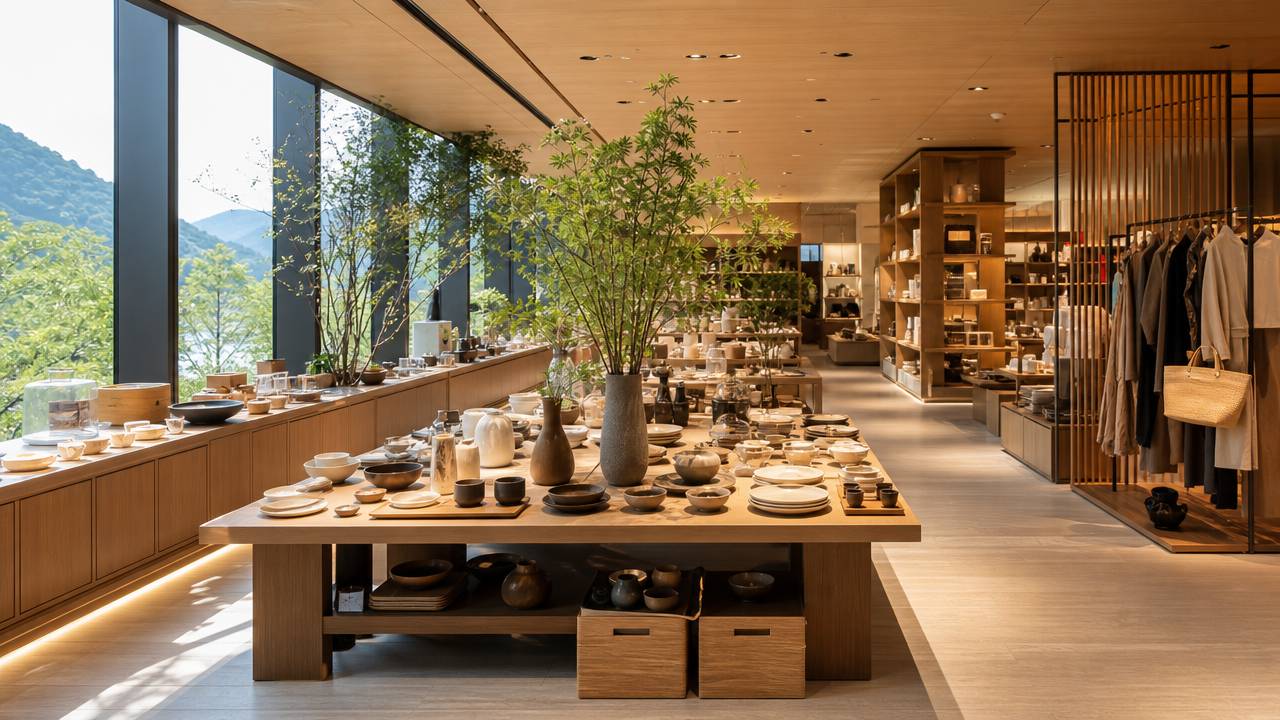
Some of the most memorable purchases come from independent bookstores, artisan workshops, neighborhood pottery studios, traditional confectionery shops, and family-owned boutiques that visitors discover almost by accident. Those experiences remain unchanged, and in many ways, they are what make shopping in Japan feel so rewarding.
Let Your Hotel Help
Many leisure hotels, boutique
accommodations, and traditional ryokans pride themselves on helping guests make the most of their stay.
Whether it's recommending nearby shopping streets, suggesting local craft markets, or pointing you toward neighborhoods known for handmade goods rather than international brands, hotel staff often provide insights that don't appear in
guidebooks. A simple recommendation can easily lead you to a favorite purchase that feels far more personal than something found in a major shopping district.
Will This Change the Way People Travel?
Probably not.
Japan has built its reputation on experiences rather than transactions. Visitors return because of the hospitality, the attention to detail, the food, the landscapes, and the quiet moments that happen between famous landmarks. Shopping simply becomes another way to remember those experiences after returning home.
The new tax-free process changes the mechanics of receiving a refund, but it doesn't change the joy of discovering a small tea shop in Kyoto, finding handcrafted ceramics in Kanazawa, or stumbling across a neighborhood bakery where you end up buying gifts for friends before you've even finished your own breakfast.
If anything, the update serves as a reminder that travel is rarely defined by how quickly you can complete a purchase. It's shaped by the places you explore along the way.
Frequently Asked Questions
When does Japan's new tax-free shopping system begin?
The updated system is scheduled to take effect on November 1, 2026, replacing the current in-store tax exemption process with an airport-based refund model.
Will tax-free shopping still exist in Japan?
Yes. International visitors will still be eligible for tax refunds on qualifying purchases. The primary difference is that you'll pay the full price at checkout and claim the refund before leaving Japan.
Should I budget more money for shopping?
It's a good idea to leave a little extra room in your travel budget since you'll temporarily pay the consumption tax upfront. The eligible refund is expected to be processed later as part of the departure procedure.
Can I still shop at the same stores?
Absolutely. Department stores, boutiques, artisan shops, electronics retailers, and participating tax-free merchants will continue welcoming international visitors. The shopping experience itself remains largely the same.
Is the new process expected to take longer?
The exact experience will vary depending on airport procedures and travel periods, but allowing additional time before your international flight is a sensible precaution while travelers become familiar with the updated system.
More Than a Refund
Japan has always approached hospitality with remarkable attention to detail, and that philosophy extends well beyond its hotels and ryokans. Whether you're wandering through a quiet shopping street, browsing a centuries-old craft store, or discovering a beautifully designed boutique tucked inside a residential neighborhood, every purchase often carries a story that lasts longer than the receipt.
The new tax-free shopping system is simply another chapter in the country's evolving approach to welcoming visitors. While the refund happens at a different point in your journey, the experience of shopping remains rooted in the same qualities travelers have long admired: craftsmanship, thoughtful service, and the excitement of discovering something unexpected.
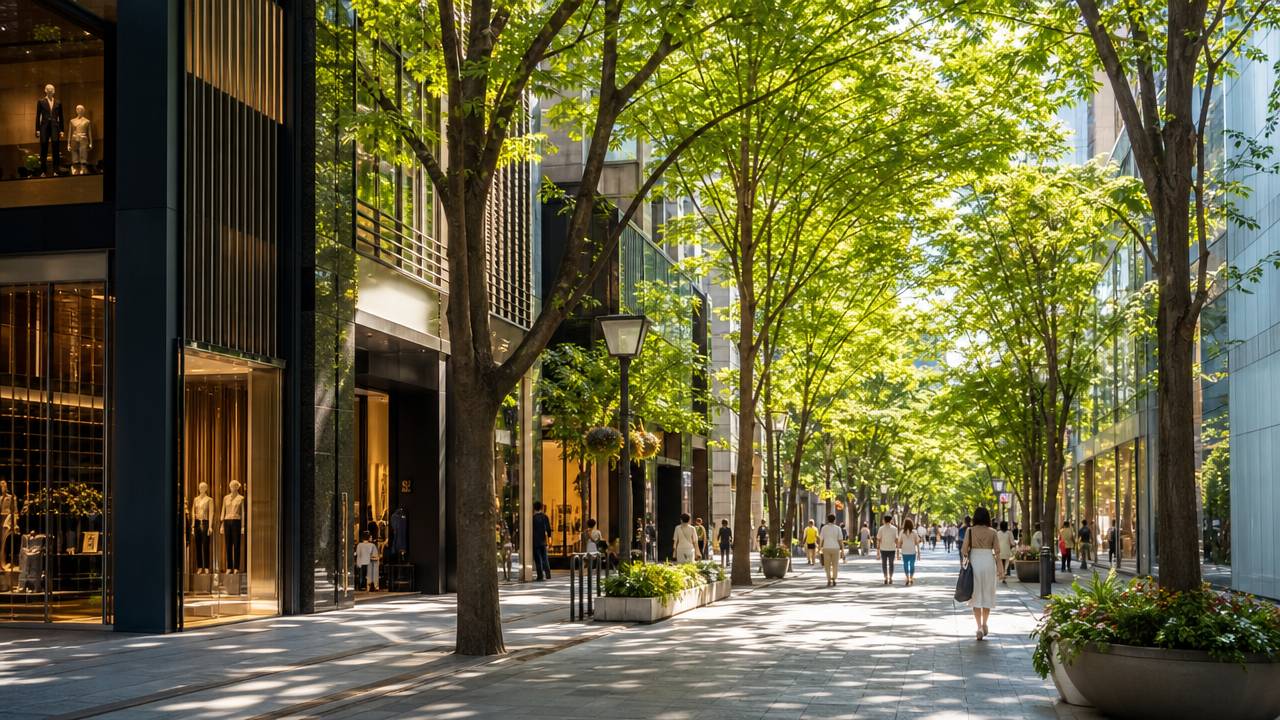
As you plan your holiday in Japan, think of the updated process not as an inconvenience, but as one more detail to prepare for before setting off. Once you're strolling beneath tree-lined shopping streets or browsing shelves filled with locally made treasures, chances are the paperwork will be the last thing on your mind—and the memories will be what you bring home long after the refund has been processed.